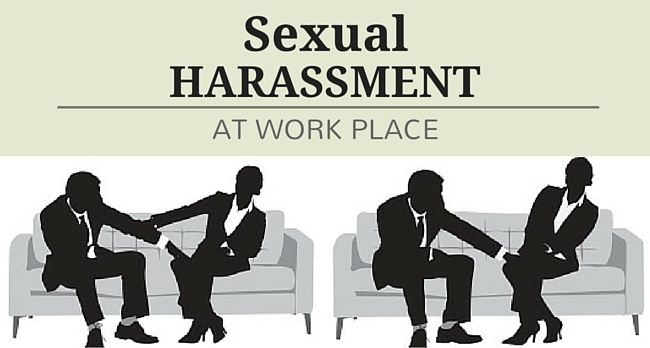
In a landmark judgment that reinforces the foundational principles of workplace safety, the Hon'ble Madras High Court in HCL Technologies Ltd. v. N. Parsarathy has delivered a decisive verdict emphasizing that impact matters more than intent when addressing sexual harassment complaints under the Prevention of Sexual Harassment (PoSH) Act, 2013.
This ruling serves as a crucial reminder to organizations, Internal Committees (ICs), and employers about the primacy of employee experience and perception in creating truly safe and respectful workplaces.
📋 Case Background
The Sequence of Events:
- Complaints Filed: Multiple women employees of HCL Technologies Ltd. lodged formal complaints alleging inappropriate conduct by a male colleague (the respondent)
- IC Investigation: The company's Internal Committee conducted a thorough inquiry and found the respondent guilty of sexual harassment under the PoSH Act
- Labour Court Reversal: The Principal Labour Court set aside the IC's findings, prompting HCL Technologies Ltd. to appeal
- High Court Appeal: The matter reached the Madras High Court, which examined the case comprehensively
⚖️ The Allegations and Defence
The case revolved around three specific allegations, each countered by the respondent with seemingly plausible explanations:
Allegation 1: Inappropriate Proximity and Uncomfortable Looks
Complainant's Statement: The respondent would stand uncomfortably close during work and give inappropriate looks, causing significant embarrassment and discomfort.
Respondent's Defense: He claimed this proximity was part of his legitimate supervisory duties, as he routinely observed his team's work closely as a standard management practice.
Allegation 2: Invasive Questions About Physical Measurements
Complainant's Statement: The respondent asked for her physical measurements, specifically requesting her coat size for uniform distribution. When she responded "2XL," he insisted she provide measurements in centimeters or remove her coat so he could measure it himself.
Respondent's Defense: He maintained this was purely work-related, connected to distributing overcoats gifted by a client, with no inappropriate intent whatsoever.
Allegation 3: Intrusive Questions About Menstrual Cycle
Complainant's Statement: She was questioned about her menstrual cycle—an invasive and deeply inappropriate inquiry that made her feel violated and uncomfortable.
Respondent's Defense: He denied the allegation entirely, suggesting it was fabricated and lacked credibility.
🔍 The Internal Committee's Findings
Despite the respondent's explanations, the Internal Committee found the complainants' testimonies to be consistent, credible, and corroborated. The IC concluded that:
✅ The respondent's actions, regardless of his claimed intent, created an uncomfortable and hostile work environment
✅ The conduct fell squarely within the definition of sexual harassment under the PoSH Act
✅ The complainants' experiences and perceptions were the primary consideration
⚖️ Key Judicial Observations
The Madras High Court's judgment established several critical principles:
1. 🎯 Impact Over Intent: The Core Principle
"Under the PoSH Act, the primary consideration is how complainants perceive the actions and whether they felt embarrassed, uncomfortable, or harassed. The respondent's intent is secondary and often irrelevant when unwelcome actions are established."
Key Takeaway: Even if an action seems innocuous to the perpetrator, if it makes another person feel harassed, uncomfortable, or unsafe, it constitutes sexual harassment under the law.
2. 📏 Flexible Standards of Reasonableness
The Court emphasized that PoSH inquiries require:
- ⚖️ A delicate balance between fairness to the accused and sensitivity to complainants
- 🚫 Rejection of rigid procedural demands that may re-traumatize complainants
- ✅ Recognition that exhaustive cross-examinations or mandatory CCTV evidence requirements can undermine complainants' dignity
The Court stated: "While the respondent must be given an opportunity to defend, procedural demands should not become tools of intimidation or secondary victimization."
3. 🛡️ Upholding the IC's Methodology
The judgment validated the IC's approach, including:
✅ Written Questions: Allowing the respondent to submit questions in writing rather than direct confrontation, protecting complainants from intimidation
✅ Relevance Filtering: Limiting questions deemed irrelevant, repetitive, or designed to harass complainants
✅ Privacy Protection: Prioritizing complainants' privacy, security, and psychological safety throughout the proceedings
4. 👨⚖️ Judicial Restraint in Reviewing IC Reports
The Court clarified the appropriate scope of judicial review:
📌 Courts should focus on procedural fairness, not re-evaluate evidence or appreciate facts
📌 Interference is warranted only for grave procedural lapses or violations of natural justice
📌 The IC's autonomy and expertise must be respected
Rationale: ICs are specialized bodies with expertise in handling sensitive matters. Constant judicial second-guessing would undermine their effectiveness and discourage complainants from coming forward.
✅ Court's Final Decisio
The Hon'ble Madras High Court allowed the Writ Petition filed by HCL Technologies Ltd. and quashed the Labour Court's order that had set aside the IC's findings.
Outcome: The IC's original determination that the respondent was guilty of sexual harassment was reinstated and upheld.
💡 Key Learnings for Organizations & ICs
For Employers and Organizations:
🎯 1. Workplace Sensitivity is Non-Negotiable
Organizations must recognize that:
- Employee feelings and experiences are paramount
- Actions that make colleagues feel unsafe or demeaned constitute harassment, even without malicious intent
- "Good intentions" do not excuse harmful behaviour
- Creating a culture of respect requires constant vigilance and education
📚 2. Robust Training Programs
Implement comprehensive training that emphasizes:
- Understanding the impact over intent principle
- Recognizing what constitutes unwelcome behaviour
- Respecting personal boundaries and dignity
- Creating inclusive, safe work environments
🔍 3. Support Your IC
- Ensure IC members receive regular training on legal principles and investigative techniques
- Provide resources for conducting fair yet sensitive inquiries
- Back IC decisions when they follow proper procedures
- Don't second-guess findings unless there are clear procedural violation
For Internal Committees:
⚖️ 1. Balance Fairness with Sensitivity
- Provide accused persons fair opportunity to defend themselves
- Simultaneously protect complainants from re-traumatization
- Use written submissions where appropriate
- Filter out irrelevant or harassing questions
📝 2. Document Thoroughly
- Maintain detailed records of all proceedings
- Document the rationale behind decisions
- Ensure procedural compliance at every step
- Create audit trails that can withstand judicial scrutiny
🛡️ 3. Prioritize Complainant Safety
- Physical and psychological safety comes first
- Avoid direct confrontations unless absolutely necessary
- Maintain strict confidentiality
- Provide support resources throughout the process
🎯 4. Focus on Impact Assessment
- Center the inquiry on how actions were perceived and experienced
- Don't get derailed by intent-based defences
- Assess whether conduct created a hostile environment
- Consider the cumulative effect of behaviours
🌟 AVASynergy's Perspective
At AVA Synergy, we believe this judgment reinforces several critical aspects of effective PoSH compliance:
The Paradigm Shift
This case exemplifies the necessary shift from intent-based to impact-based assessment of workplace conduct. Organizations must move beyond asking "Did they mean to harm?" to "Did it cause harm?"
Practical Implementation
We recommend organizations:
✅ Conduct regular sensitivity training emphasizing the impact principle
✅ Empower ICs with proper training and resources
✅ Establish clear protocols that balance fairness with complainant protection
✅ Create reporting mechanisms that encourage victims to come forward without fear
✅ Foster a speak-up culture where concerns are taken seriously
Legal Compliance
Beyond moral imperatives, this judgment clarifies legal expectations:
- ICs must follow fair procedures while protecting complainants
- Courts will generally defer to IC findings absent procedural lapses
- Organizations face legal risk if they undermine IC processes or findings
- Proper documentation and procedure are essential for legal defensibility
💼 How AVA Synergy Can Help
At AVA Synergy, we provide comprehensive PoSH compliance solutions:
Our Services Include:
🎓 Training & Awareness Programs
- Customized workshops for employees and management
- IC member training and certification
- Scenario-based learning modules
- Regular refresher sessions
📋 Policy Development
- Drafting comprehensive PoSH policies
- Customizing policies to organizational context
- Ensuring legal compliance
- Regular policy audits and updates
⚖️ IC Support
- External IC member services
- Investigation support and guidance
- Legal advisory during inquiries
- Documentation and reporting assistance
🔍 Compliance Audits
- Comprehensive PoSH compliance reviews
- Gap analysis and recommendations
- Implementation support
- Ongoing monitoring and improvement
📞 Legal Advisory
- Guidance on complex cases
- Support during legal challenges
- Representation before authorities
- Risk mitigation strategie
AVA Synergy: Empowering Business Growth through Compliance and Excellence